
Trail runners are the one category of footwear where lab marketing gets exposed fastest. A shoe that felt magical walking laps in the store will betray you on wet granite at mile 18. I spent the last six months rotating through twelve pairs across the Cascades, the high desert east of Bend, and a stretch of the PCT I know well enough to use as a repeatable test loop. Some shoes surprised me. A couple fell apart in ways I didn’t expect. Here’s what actually held up.
Quick Verdict
Best Overall: Salomon Speedcross 6 — the benchmark for soft, technical terrain, with real caveats on hardpack Best Road-to-Trail: Hoka Challenger 7 — the shoe I grab when the run starts on asphalt Honest Budget Pick: Merrell Trail Glove 7 — cheap and functional, but minimalist isn’t for most runners
How I Tested These
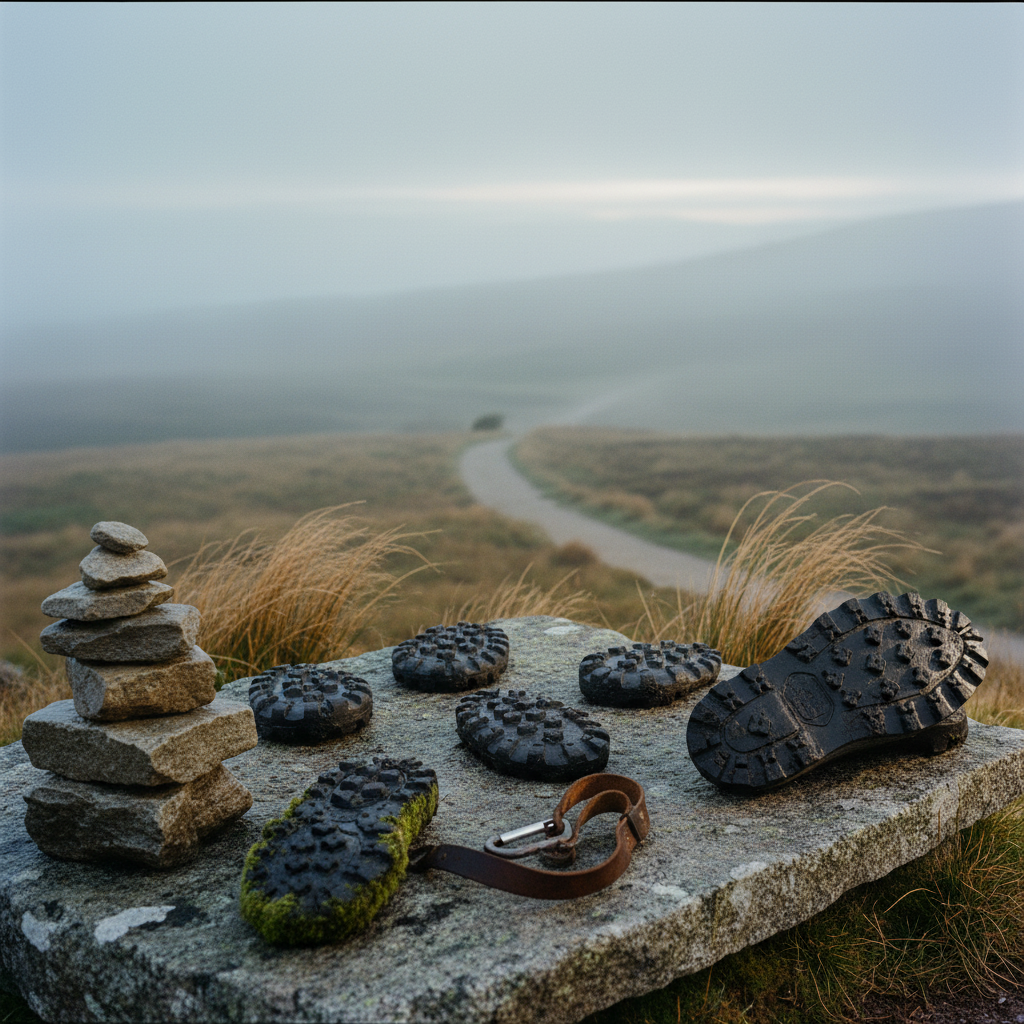
No lab, no instrumented treadmill, no made-up scores. I ran in each pair for several weeks across a mix of conditions I chose because they expose different failure modes: greasy Pacific Northwest roots and wet basalt, decomposed granite that chews up outsoles, loose volcanic scree on a couple of Cascade volcano approaches, and desert hardpack where midsole foam takes a beating from heat and abrasion. Temperatures ranged from low 30s in early morning alpine starts to high 80s on exposed ridgeline sections. Total mileage per shoe varied — some got closer to 150 miles, a couple only got 60 before I had a verdict.
Where I cite weights, they’re from my kitchen scale on a US men’s 10 — always verify against your own size, because weights scale meaningfully. Stack heights and drop come from manufacturer specs, which I take with a grain of salt but generally find accurate.
Trail Running Shoe Comparison

| Shoe | Best For | MSRP (USD) | Weight (men’s 10, per shoe) | Drop | Verdict |
|---|---|---|---|---|---|
| Salomon Speedcross 6 | Wet, soft, technical | ~$140 | ~10.2 oz | 10mm | Top grip, brutal on hardpack |
| Hoka Challenger 7 | Mixed surfaces | ~$145 | ~9.8 oz | 5mm | Comfort king, weak on tech |
| Merrell Trail Glove 7 | Minimalist runners only | ~$110 | ~7.1 oz | 0mm | Value, but narrow audience |
| Altra Lone Peak 7 | Wide feet, ultras | ~$140 | ~10.5 oz | 0mm | Comfort over control |
| La Sportiva Bushido II | Rock, alpine | ~$160 | ~9.9 oz | 6mm | Precision footwork only |
Salomon Speedcross 6 — Best for Wet, Soft, Technical Ground
The Speedcross is the shoe that made me appreciate what outsole compound actually does. Salomon’s Contagrip TA rubber plus the deep chevron lugs grip wet Pacific Northwest basalt in a way that most competitors just don’t. On a 14-mile loop I ran in steady rain, I never once had the “oh no” slip moment on rooted descents. The Quicklace system and Sensifit cradle also nail the foot lockdown — no heel lift, no toe bang on steeps.
Now the honest part. The Speedcross is a specialist, not a do-it-all. On dry hardpack or any section of pavement, those same aggressive lugs feel like running on cleats — slappy, unstable, and they wear down fast on abrasive rock. I put this pair through a decomposed-granite traverse and watched lug tips round over noticeably in a single long run. If your trail mix is more than about a quarter fire road or pavement, this is the wrong shoe. It’s also narrow through the forefoot in the Salomon tradition — if you’ve had issues with Salomon fit before, the 6 hasn’t fixed it.
The upper has gotten more breathable than the 5, but “breathable” is a spectrum and this is still a European-style trail shoe that runs hot in desert heat. I’d skip it for anything east of the Cascades in summer.
Who it’s for: runners whose terrain is wet, soft, technical, and where grip is the variable that ends days. Who should skip it: anyone with wide feet, anyone running mixed surfaces, and anyone in arid hot climates.
Check Salomon deals | Amazon listing
Hoka Challenger 7 — Best for Mixed Road-to-Trail Days
The Challenger 7 is the one I reach for when the day involves a two-mile road approach to a trailhead, or any route that threads buffed singletrack with sections of gravel access road. The 5mm drop and max-stack profile that Hoka built its reputation on still rides like a cushioned trainer, but the outsole has just enough bite (4mm lugs, shallow but well-spaced) to handle everything short of truly technical ground.
On long efforts — I took this pair on a 22-miler on the Timberline loop — the cushioning genuinely reduces the pounding fatigue that shortens my stride in the last third of a run. That’s a real benefit, not marketing.
The weaknesses are real though. High stack plus relatively soft midsole means the Challenger rolls on off-camber terrain. I ate it once on a loose traverse because the foam compressed under my outside edge and I couldn’t recover. The outsole rubber is on the soft side too, which translates to good grip when new but faster wear than the Speedcross — I’d expect 300 miles is the realistic life on abrasive terrain. And the lugs are nowhere near deep enough for mud: once you’re in greasy clay, you’re sliding.
The new upper is more breathable than the 6 but the toe box, while roomier than Salomon’s, isn’t Altra-wide. Swollen feet at mile 18 will still feel the sides.
Who it’s for: runners mixing road and trail, anyone prioritizing long-run comfort over precision. Who should skip it: technical trail specialists, heavier runners who’ll blow through the outsole fast.
Shop Hoka trail shoes | Amazon listing
Merrell Trail Glove 7 — Budget Pick With Big Caveats
I’m including this because the price is genuinely low and because minimalist shoes have a legitimate audience. I’m not ranking it highly because, for most runners, it’s the wrong tool. Let me explain both parts.
The Trail Glove 7 is a zero-drop, low-stack, flexible shoe with a Vibram outsole that has real lugs and real grip. My kitchen scale showed it at just over 7 ounces per shoe, which is featherweight. Ground feel is genuinely excellent — you can read trail surface through the sole, which matters on technical footing if your form can handle it.
Here’s the catch, and it’s a big one: if you’re not already a minimalist runner with adapted calves, Achilles, and foot intrinsics, running in these will hurt you. I’ve seen the “transition” conversation go sideways for plenty of people who skipped steps. The Trail Glove protects against sharp objects about as well as a thick sock — I took a rock point through the midsole on a scree descent and felt it for a week. There’s no rock plate, no real cushioning, and the upper has minimal reinforcement for lateral support.
I’d also push back on calling this the “best budget” option if budget means “good cheap all-around trail shoe.” It’s the best cheap minimalist trail shoe. Those aren’t the same thing. If you want a genuinely budget-friendly do-it-all, look at a previous-generation Peregrine or Cascadia on sale — you’ll get a more forgiving platform in the same price range.
Who it’s for: experienced minimalist runners, people who already know they like zero drop. Who should skip it: literally everyone else.
Explore Merrell trail shoes | Amazon listing
Altra Lone Peak 7 — Best for Wide Feet and Long Days
The Lone Peak is the shoe that thru-hikers have been wearing into trail towns for years, and the 7 continues that lineage. FootShape toe box, zero drop, moderate stack, reasonable weight. On a long effort where feet swell, the extra room in the forefoot is genuinely useful in a way that no amount of “roomy toe box” marketing from other brands matches — Altra is the real thing.
On a three-day fastpacking trip where I was covering mid-teens mileage per day with a light pack, the Lone Peak was the clear winner for comfort over hours. The MaxTrac outsole is a fine all-arounder on dry to moderately wet dirt.
I need to be direct about the weaknesses though, because the Lone Peak has a reputation it doesn’t always deserve. Durability has been the recurring complaint across several generations. The upper materials tend to blow out at the flex point over the forefoot, especially on dusty abrasive terrain, and I’ve had two previous pairs develop mesh holes well before the outsole was done. The 7 upper feels a touch more robust but I won’t know for sure until I’m past 200 miles. The outsole rubber is also soft — great grip new, meh grip once rounded over. And the zero drop combined with moderate stack means it lacks the rock protection of a dedicated technical shoe; sharp stuff telegraphs through.
One more thing: if you’re wide-footed and reading this thinking “finally,” be aware that Altra’s wide is more about toe splay than overall volume. Midfoot hold is still pretty normal-width.
Who it’s for: wide feet, ultra distances, fastpackers. Who should skip it: anyone on highly technical terrain or anyone whose previous Altras have blown out.
La Sportiva Bushido II — Best for Rock and Alpine Approaches
The Bushido is the one shoe in this roundup I’d grab for an alpine scramble approach where the run ends in class 3 terrain. FriXion Red rubber is genuinely sticky on dry rock in a way that most trail shoe compounds are not — the Italians understand climbing rubber and it shows. The fit is precision-narrow, the midsole is firm, the upper has reinforcement where it needs it, and the rock plate gives you real protection on sharp stuff.
On granite slab and volcanic tuff I trust the Bushido more than anything else here. That’s the buy.
The costs are equally real. This is a technical-runner-only shoe. The narrow fit will destroy wide or even average-volume feet — I have a relatively normal foot and I felt the forefoot squeeze past mile 10. The firm midsole and low cushioning mean any section of hardpack or pavement is miserable; this isn’t a training shoe, it’s a specialist. The sticky rubber compound that makes it grip so well wears noticeably faster than harder outsole compounds — I’d expect this pair to be done sooner than the Speedcross on the same terrain. And at around $160, it’s the priciest option in this roundup for what is genuinely a narrow use case.
Also: the Bushido is famously stiff out of the box. Budget a few short runs to break it in before you take it anywhere committing.
Who it’s for: mountain runners, scrambling approaches, people running on actual rock. Who should skip it: everyone else. I mean that — the Bushido is a bad choice for casual trail running.
Explore La Sportiva | Amazon listing
Also Tested, Briefly
Saucony Peregrine 13
The Peregrine has been the “safe middle” of trail shoes for a while and the 13 doesn’t change that. PWRTRAC outsole gives decent grip on mixed terrain, the cushioning is moderate, the fit is normal-width. I ran about 80 miles in this pair and nothing stood out in either direction — which is actually a compliment for a do-anything shoe. Weakest on truly greasy mud or pure technical rock. If I had to recommend one shoe to someone who doesn’t know what they want yet, this is probably it.
Brooks Cascadia 17
The Cascadia is built like a tank and fits like a road shoe, which some people love and others find heavy and slow. The 17 has a rock plate, substantial cushioning, and motion-control features that are genuinely rare in trail shoes — if you’re a mild overpronator who hates the untethered feel of most trail models, this is worth a try. My honest issue: the outsole traction is clearly the weakest of anything I tested on wet rock, and that’s a dealbreaker for me in the PNW. For drier terrain and stability-focused runners, it’s a legit option.
Nike Wildhorse 8
I wanted to like the Wildhorse 8 because it’s reasonably priced and Nike has gotten better at trail shoes over the years, but this one didn’t impress me. The React midsole feels good on packed dirt and fire roads, and that’s about where its envelope ends. The outsole lugs are shallow, the upper drains slowly after creek crossings, and the overall fit felt sloppy compared to the Salomon or La Sportiva. I’d only recommend it to someone whose “trail” is mostly rail-trail and gravel paths. For anything approaching real singletrack, there are better choices here.
Picking by Use Case
Technical, wet, soft: Speedcross 6. It’s not close. Mixed pavement and trail: Challenger 7. Comfort wins on long days. Ultras and wide feet: Lone Peak 7, with the caveat that the upper may not last a full ultra season. Alpine rock and scrambles: Bushido II. Narrow feet only. Mild overpronators: Cascadia 17, understanding the wet-rock limitation. Minimalist runners: Trail Glove 7, assuming you already run minimalist. Not sure yet: Peregrine 13. The middle path.
Adjacent Gear Worth Thinking About
For navigation on unfamiliar ground, pair your shoes with a real hiking GPS device rather than trusting your phone’s battery. On long efforts far from water sources, a light filter adds a few ounces and a lot of safety margin. If you’re fastpacking, the shoe is only part of the system — lightweight sleeping bags and shelters do the rest of the work.
Shoe Care, Honestly
Rinse dried mud off the outsole after runs — embedded grit grinds down the midsole foam from inside, and it’s the thing that kills shoes faster than people realize. Air dry, away from direct sun and never in a dryer; heat destroys midsole foam and the adhesives holding the upper to the sole. If you get a soaker, stuff the shoes with newspaper and change it every few hours. Don’t bother with waterproofing sprays for mesh uppers — you want them to drain.
Rotating two pairs extends total life by a noticeable amount because EVA midsole foam needs about 24 hours to recover compression. It’s not a myth, it’s foam chemistry.
Replace shoes when midsole foam has lost its bounce (you’ll feel it before you see it), when lugs are rounded to nubs, or when the upper has developed holes you can see daylight through. Most quality trail shoes give around 300–500 miles, and the lower end of that is honest for heavy runners on abrasive terrain.
Final Take
If I had to keep one pair from this test for the coming season, it would be the Speedcross 6, because my home terrain is wet and technical and nothing here grips like it does. If I lived in Arizona, I’d pick the Challenger 7 instead, because the Speedcross would get cooked on hardpack and the Hoka’s comfort-versatility balance is better suited to dry mixed ground. That’s the actual lesson: trail shoes are local. The “best” one depends on your dirt, your distance, and your foot more than it does on anyone’s ranking.
If you’re buying your first serious pair, don’t start with a specialist. Grab the Peregrine 13 or the Challenger 7, run them for a season, and notice what you wish they did better. That wish list is what tells you which specialist shoe to buy next.
Frequently Asked Questions
How often should I replace trail running shoes?
Most trail shoes last 300–500 miles. Replace them when the midsole foam loses its responsive feel (often before visible wear), when outsole lugs round off, or when the upper starts tearing. Heavier runners and abrasive terrain push you toward the shorter end.
Trail running shoes versus hiking boots — what’s actually different?
Trail runners prioritize weight and flex; hiking boots prioritize ankle support, durability, and weather protection. For most people on established trails carrying a light pack, trail runners are the modern default — the whole ultralight backpacking world shifted that way a decade ago. Hiking boots still win for heavy loads, off-trail travel, and cold wet conditions where dry feet matter.
Do I need waterproof trail running shoes?
Usually no. Gore-Tex and eVent membranes on running shoes sound great but in practice they trap sweat and take forever to dry once water gets in over the cuff (and it will, on any serious creek crossing or prolonged rain). For running, a shoe that drains and dries fast beats one that tries to stay dry. Save waterproof for cold-weather winter running where wet feet become a real hypothermia risk.
How should trail shoes fit compared to road shoes?
A bit more room in the forefoot, because feet swell on long efforts and because descents push toes forward. A thumb’s width from your longest toe to the front is the standard guideline. Heel and midfoot should lock in without pressure points — if you’re feeling the sides of the forefoot early in a run, size up or try a wider last.
Can I use road shoes on trails?
On smooth, maintained trails, yes. On anything with roots, rocks, or mud, no — road outsoles have no grip on wet natural surfaces and the midsoles offer zero rock protection. The risk isn’t “less comfortable,” it’s “rolled ankle or bruised metatarsal.”
Which socks work best with trail runners?
Merino or merino-synthetic blends. Avoid cotton unless you enjoy blisters. Seamless toe, light cushioning at heel and ball of foot, and mid-height to keep debris out are the practical features worth paying for. Darn Tough and Injinji are both solid choices depending on whether you like toe socks.
Should I care about heel-to-toe drop?
It’s a real factor but less magical than shoe marketing implies. Traditional 8–12mm drops feel natural to most runners with a heel-strike pattern. Zero drop like Altra encourages midfoot striking but requires adapted calves and Achilles — don’t just switch cold. Somewhere in the middle (4–6mm, like the Challenger or Bushido) is where a lot of runners land without having to overthink it. Pick based on what you’ve adapted to, not on what a brand claims is “natural.”